What It Really Costs to Start a Restoration Business in 2026
![[HERO] What It Really Costs to Start a Restoration Business in 2026](https://cdn.marblism.com/n33JsAcymPe.webp)
If you’re looking at the restoration industry in 2026, you’re probably seeing the same thing everyone else is: it’s a business that doesn't care about the economy. Whether the stock market is up or down, pipes still burst, mold still grows in damp basements, and people still face the unfortunate reality of biohazard or hoarding situations. It’s a "recession-proof" industry, but that doesn’t mean it’s easy or cheap to get your foot in the door.
I’ve spent plenty of time on job sites and talking to guys who are trying to figure out if they should go out on their own or join a system. The question always comes down to the bottom line: "What is this actually going to cost me?"
There is a big difference between starting a "guy with a van" operation and building a legitimate restoration company that can handle high-level client services. If you want to know what it really takes to get a truck on the road and a phone that actually rings in 2026, let’s break down the numbers.
The Two Paths: Independent vs. Franchise
Before we get into the nuts and bolts, you have to decide how you’re entering the market.
Starting an independent restoration business can look cheaper on paper. You might be able to scrape by with $25,000 to $50,000 if you’re doing basic water extraction and buying used gear. But in 2026, the industry is more regulated and technical than ever. If you don't have a proven brand, you’re going to spend a fortune on "buying" leads through Google LSA or third-party lead generators.
On the flip side, when you start a franchise business, your upfront costs include a franchise fee. This covers the "playbook": the branding, the systems, the technical training, and the marketing support. For a Mastertech franchise, this fee is part of a larger investment designed to set you up with a professional image from day one.
Breaking Down the Startup Costs
Let’s look at where the money actually goes. These aren't guesses; these are the practical expenses you’ll face in today’s market.
1. The Franchise Fee and Initial Investment
If you decide to go the franchise route, the initial fee generally ranges from $40,000 to $60,000 depending on the territory. While that sounds like a lot, it’s basically paying for a shortcut. You get the branding, the website, and the operational systems that would take years and thousands of dollars in trial-and-error to build yourself. If you already have a small cleanup business, you can often convert your business to a franchise to scale up much faster than you could on your own.
2. Equipment: The Heavy Lifters
You can’t do this job with a shop vac and a household fan. Professional restoration requires specialized equipment. In 2026, the technology has advanced, making gear more efficient but also more of an investment.
- Air Scrubbers and HEPA Vacuums: For mold remediation and biohazard work, air quality is everything. You need high-grade HEPA filtration to ensure you aren't just blowing spores or pathogens around.
- Dehumidifiers and Air Movers: For water damage, you need industrial-strength LGR (Low Grain Refrigerant) dehumidifiers. A single unit can cost $2,500 to $4,000.
- Moisture Detection Tech: You need thermal imaging cameras, moisture meters, and hygrometers. If you can’t prove the house is dry, you haven’t finished the job.
- PPE (Personal Protective Equipment): Tyvek suits, full-face respirators, and heavy-duty gloves. This is a recurring cost that adds up fast, especially in biohazard cleanup.
Expect to spend anywhere from $30,000 to $75,000 on a solid initial equipment package.
3. The Vehicle
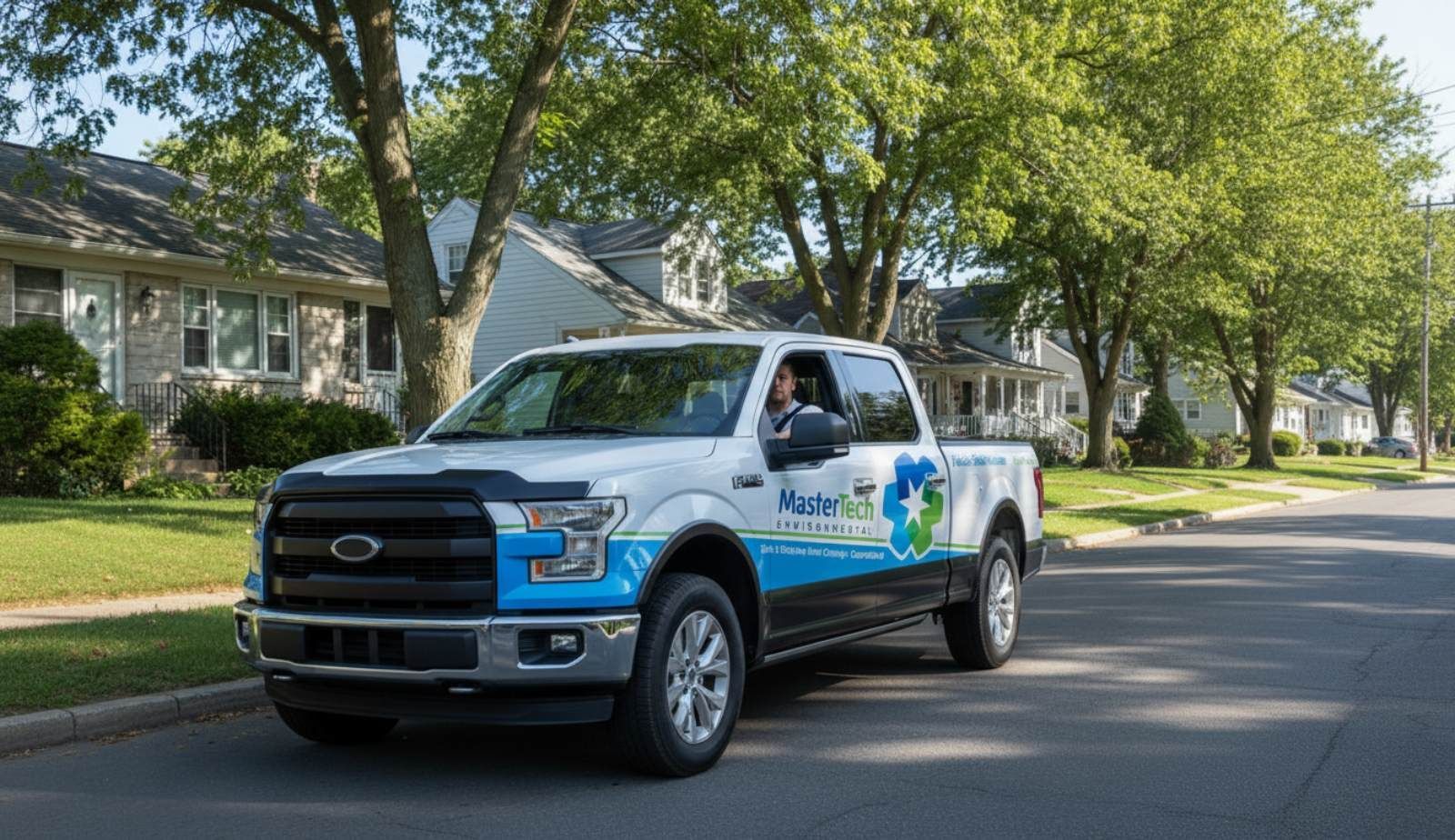
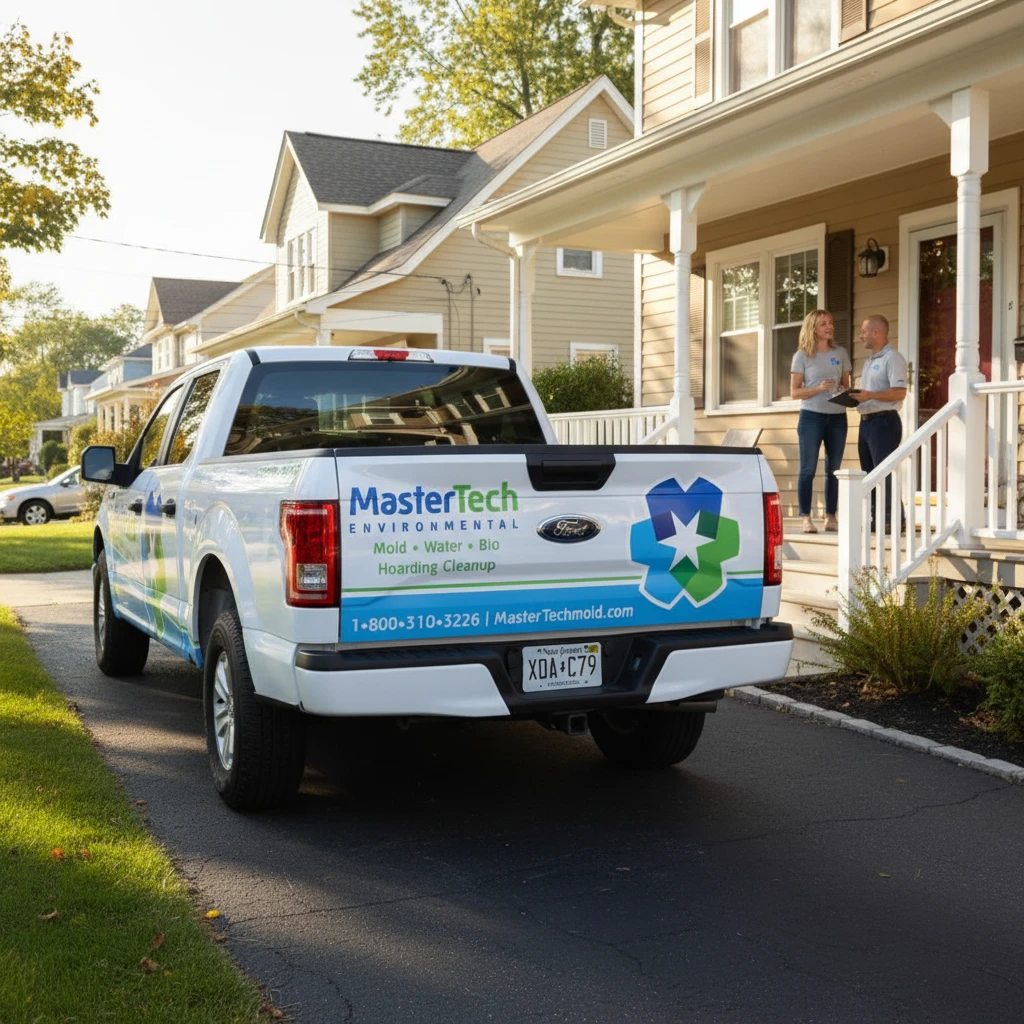
Your truck is your mobile office and your biggest billboard. In 2026, a reliable box truck or a high-roof van is going to run you $45,000 to $65,000 new. You can go used, but in this business, if your truck doesn't start, you don't make money. You also have to factor in the cost of professional wrapping. A plain white van looks like a "handyman" operation. A professionally wrapped Mastertech vehicle tells the customer: and the insurance adjuster: that you are a specialist.
4. Insurance and Licensing
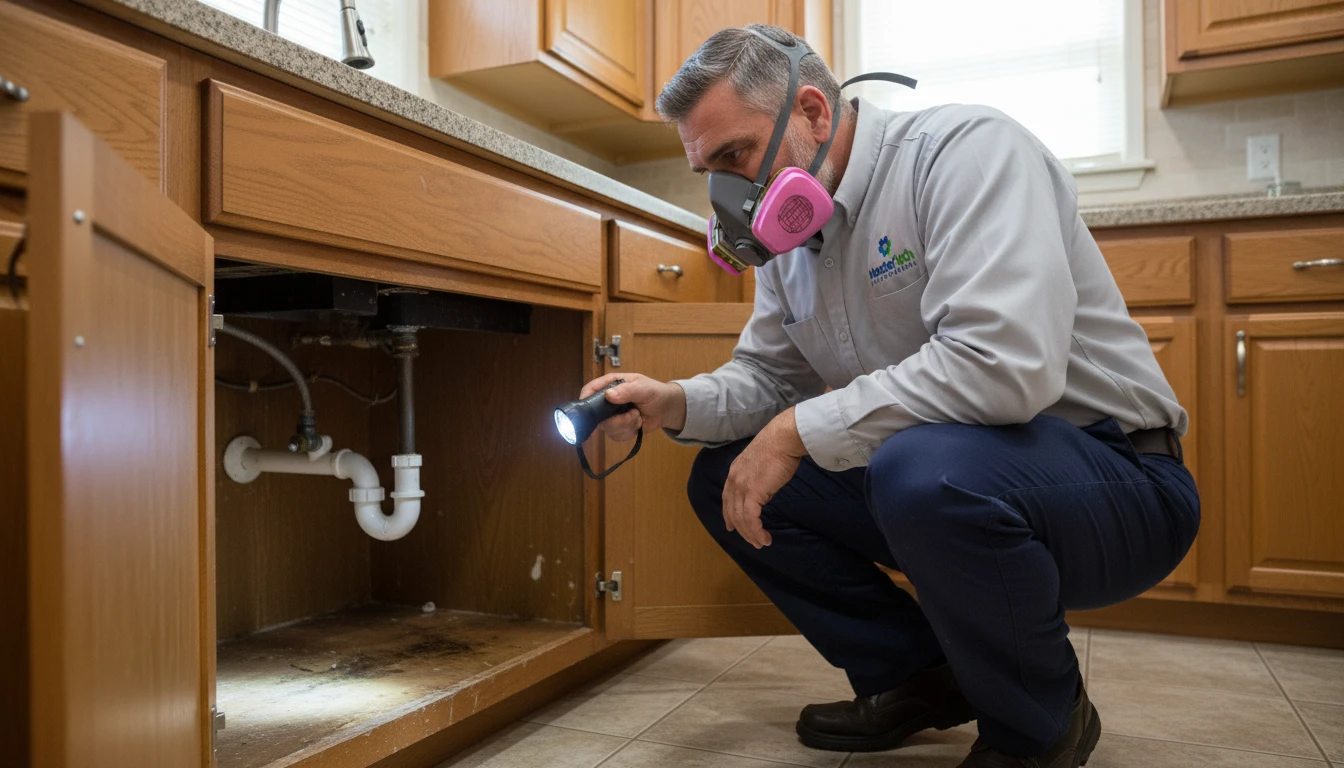
This is where a lot of guys get blindsided. General Liability is just the start. Because we deal with mold remediation and biohazard, you need specialized Pollution and Professional Liability (E&O) insurance.
- Pollution/Mold/Bio Insurance:$3,000 - $7,000 per year.
- Workers' Comp: Varies by state but expect a significant chunk of your payroll.
- Commercial Auto:$2,000 - $5,000 per vehicle.
Without the right insurance, you won't get on the "preferred vendor" lists for insurance companies or property management firms.
5. Training and Certification
You can’t just say you know how to clean up mold; you need to prove it. IICRC certifications (WRT for water, AMRT for mold, etc.) are the industry standard. This involves travel, tuition, and exam fees. One of the reasons people choose why Mastertech is the intensive training and support that comes with the territory. They don't just teach you how to scrub a wall; they teach you the science of why you’re doing it.

Marketing and Getting the Phone to Ring
In 2026, the "yellow pages" are long gone. Most of your leads will come from digital sources. If you’re independent, you’re competing with national brands with million-dollar ad budgets.
- Website and SEO: A high-performing site that actually converts visitors into callers can cost $5,000+ to build and another $1,000+ a month to maintain and optimize.
- Lead Generation: Buying leads from sites like Angi or HomeAdvisor can cost $50 to $200 per phone call , whether the job is real or not.
When you join a franchise, you’re usually tapping into a larger marketing machine. You aren't starting from zero with Google. You are part of an established brand that already has authority in the search engines. You still need to market locally, but the uphill climb is much less steep.
Working Capital: The "Sleep Better" Fund
This is the biggest mistake new owners make: spending every dime on equipment and trucks and leaving nothing in the bank. Restoration is often a "net-30" or even "net-60" business. You might do a $10,000 water job today, pay your crew, pay for the gas and the chemicals, but not see that check from the insurance company for two months.
You need "working capital": cash on hand to pay your bills while you wait for the insurance checks to clear. For a new business, you should have at least $30,000 to $50,000 in liquid cash or a line of credit ready to go.
The Mastertech Advantage: Multiple Revenue Streams
When people think of restoration, they often just think of water damage. But if you only do water, you’re waiting for the rain. A big part of why our industries work so well together is the diversity of services.
- Mold Remediation: Often found in attics or crawlspaces during home inspections.
- Biohazard and Death Cleanup: A specialized, high-margin service that requires specific training and a strong stomach.
- Hoarding Cleanup: A growing sector that requires a mix of cleaning skills and empathy.
By offering all these services under one roof, your cost per lead goes down because you can handle whatever the customer throws at you.
Is It Worth the Investment?
Let’s be real: starting a professional restoration business in 2026 will likely cost you between $150,000 and $250,000 all-in if you want to do it right. That includes your franchise fee, equipment, truck, insurance, and your first few months of operating cash.
That sounds like a big number, but look at the average ticket prices:
- Water Mitigation:$3,000 - $7,000.
- Mold Remediation:$4,000 - $15,000.
- Biohazard Cleanup:$5,000 - $20,000+.
The margins in this industry are strong if you manage your labor and overhead correctly. More importantly, the demand is constant. People will skip a vacation or a new car, but they won't live in a house full of black mold or raw sewage.
Finding the Right Market
You also have to look at where you’re going to plant your flag. Some areas are over-saturated with "the big guys." Looking at available markets is a key step. You want a territory with enough older homes (more mold and pipe issues) and a growing population.
If you look at the steps to franchise ownership, the process starts with a lot of research. You aren't just buying a job; you’re building an asset.
What We Look For
Not everyone is cut out for this. It’s dirty, it’s physical, and you’re often dealing with people on the worst day of their lives. When we talk about what we look for as franchisees, we aren't necessarily looking for "cleaning guys." We are looking for business owners who can manage a team, talk to customers with respect, and follow a system.
Final Thoughts
The cost of starting a restoration business in 2026 isn't just the money you spend on day one. It’s the cost of the mistakes you’ll make if you don't have a plan.
If you go independent, you save the franchise fee but pay the "ignorance tax": the money lost on bad marketing, wrong equipment, or jobs that didn't pass clearance testing. If you go with a system like Mastertech, you pay more upfront to avoid those mistakes and hit the ground running with a professional reputation.
Either way, it’s a grit-heavy industry that rewards people who show up and do the work right. If you’ve got the capital and the drive, there’s plenty of room in the market for a professional who knows their stuff.
Get in Touch
Contact Us
Don't be a stranger!
30 Broad St, Unit 7
Denville, New Jersey 07834